
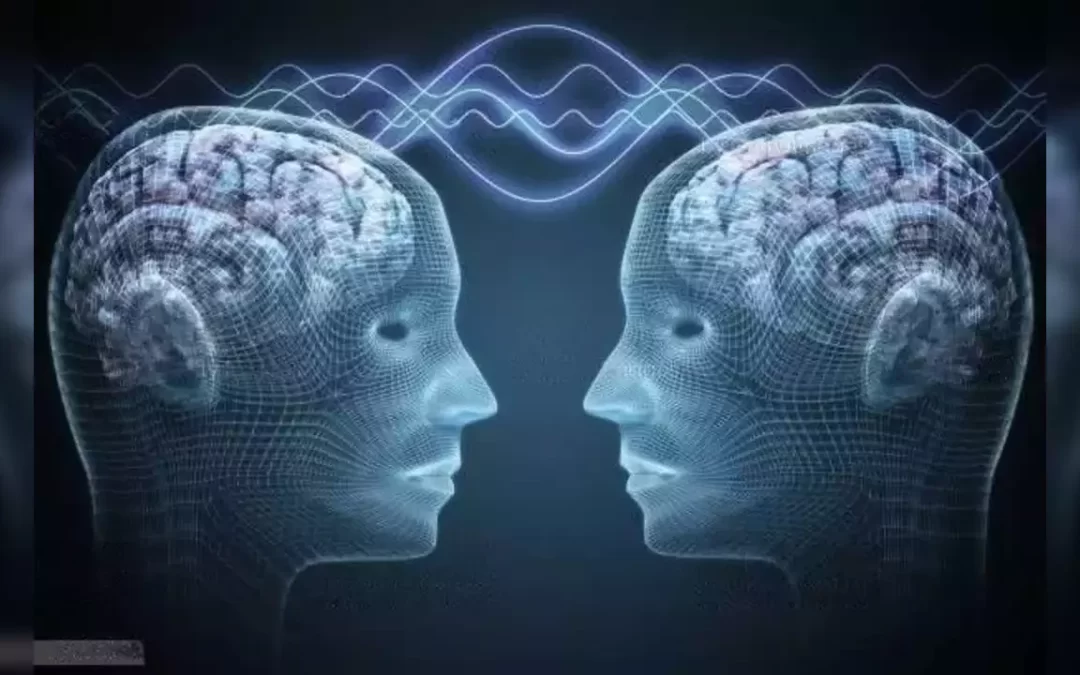
What Is Telepathy? Understanding Extrasensory Perception (ESP)
Telepathy, also called extrasensory perception (ESP), is the ability to communicate or transfer information without using the five traditional senses—sight, hearing, touch, taste, or smell. It is often described as a sixth sense or a type of psychic ability.
While telepathy is fascinating, it remains a controversial topic in science. Researchers are still trying to understand how it works, and there is no definitive scientific explanation.
Types of Telepathy
There are several forms of telepathy:
-
Telepathic Communication: Transferring thoughts or ideas between people without speaking or using normal communication methods.
-
Telepathic Perception: Sensing or perceiving information without relying on the five senses.
-
Remote Viewing: Seeing or sensing events or places that are not in your immediate surroundings.
Theories Behind Telepathy
The exact mechanism of telepathy is not fully understood. Several theories have been proposed:
-
Quantum Physics: Some researchers believe telepathy may involve quantum connections between minds.
-
Psychic Ability or Intuition: It might be a heightened mental ability present in some people.
-
Electromagnetic or Energy Fields: Telepathy could involve subtle energy or electromagnetic waves surrounding the body.
-
Direct Mind-to-Mind Link: Thoughts and emotions might transfer directly between individuals.
Even though there is no solid scientific proof, many people claim to have experienced telepathic communication or perception.
Developing Telepathic Abilities
Some individuals may be naturally more intuitive or psychic, while others can develop telepathy through practice. Regular training can help improve telepathic skills. Some effective techniques include:
-
Meditation: Helps calm the mind and increase focus.
-
Visualization: Strengthens mental clarity and concentration.
-
Energy Work: Enhances awareness of subtle energies.
-
Partner Exercises: Practicing thought transfers with someone else.
Other methods, like mental exercises, guided imagery, or breathing techniques, can also enhance psychic sensitivity.
Important Considerations
-
Telepathy is not a guaranteed or fully reliable form of communication.
-
Misinterpretations and errors are possible.
-
Telepathy should supplement, not replace, traditional communication.
-
Be skeptical of claims. Not everyone who says they have telepathy actually does.
Remember, telepathy is a skill that may improve with practice, but it is not a substitute for speaking, writing, or other conventional communication.
Conclusion
Telepathy is the ability to communicate without using sight, hearing, touch, taste, or smell.
While the exact mechanisms are still unknown and the topic is controversial, some people may develop telepathic skills through practice. Techniques like meditation, visualization, and partner exercises can help.
However, it is important to remain cautious. Telepathy is unreliable and should not replace normal communication. Always approach claims of telepathic ability with healthy skepticism.
Please follow us on social media: Facebook, Instagram, LinkedIn, Twitter, Tumblr, and Reddit. Don’t forget to like and subscribe to our YouTube channel.